
IoT, what exactly is that?
IoT, what exactly is that?
Internet of Things (IoT) Connecting the Physical World to Intelligent Software
In buildings, IoT enables real-time visibility, automation, and optimisation of systems such as heating, ventilation, lighting, and energy distribution
IoT is built on four interconnected layers
Devices & Sensors
Devices & Sensors
Physical devices measure real-world conditions, including:
Temperature
Humidity
Occupancy
Energy consumption
Equipment status
These sensors operate continuously and form the foundation of data-driven decision-making
How IoT Works?
How IoT Works?
In buildings, IoT enables real-time visibility, automation, and optimisation of systems such as heating, ventilation, lighting, and energy distribution
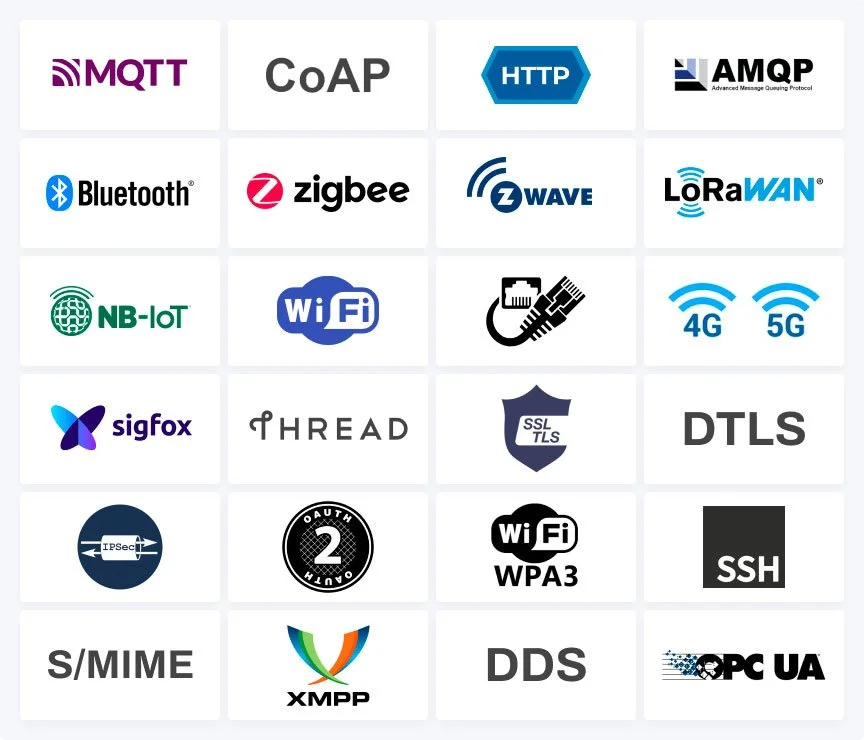
The Internet of Things (IoT) refers to networks of physical devices that collect, exchange, and act on data. These devices, such as sensors, controllers, meters, and actuators, bridge the gap between the physical environment and digital systems
Connectivity
Connectivity
Collected data is transmitted using wired or wireless communication technologies, such as:
Ethernet
Wi-Fi
Cellular networks
Building automation protocols
Integration with BMS system
Reliable connectivity ensures that data flows securely from devices to software platforms in near real time
Data Processing & Platforms
Data Processing & Platforms
IoT platforms ingest, store, and process incoming data. This layer enables:
Data aggregation
Pattern recognition
Event detection
Integration with analytics and AI model
This is where raw data becomes actionable insight
Applications & Actions
Applications & Actions
The final layer turns insight into value through:
Dashboards and visualisation
Alerts and notifications
Automated control actions
Optimisation recommendations
In smart buildings, this allows systems to respond dynamically rather than relying on static schedules
IoT in Smart Buildings
In building environments, IoT enables a shift from reactive operation to intelligent optimisation.
Key benefits include:
Improved energy efficiency
Reduced operational costs
Better occupant comfort
Early detection of faults and inefficiencies
Rather than replacing existing infrastructure, IoT often works alongside Building Management Systems (BMS),
enhancing their capabilities through better data use and analytics
From Data to Optimisation
IoT generates data on its own, but value comes from how that data is utilised.
When combined with:
Historical trends
Weather data
Schedules and occupancy patterns
Optimisation logic or AI models
IoT enables advanced use cases such as:
Predictive energy optimisation
Digital twin modelling
Scenario testing before control changes
Continuous performance improvement
Security and Reliability
As IoT systems handle operational and energy data, security and resilience are critical
Modern IoT solutions are designed with:
Secure data transmission
Access control and authentication
Segmentation between operational systems and analytics platforms
A secure foundation ensures trust, scalability, and long-term reliability
The Future of IoT
IoT continues to evolve toward:
Greater interoperability
Increased edge processing
AI-assisted decision making
More autonomous systems
In buildings, this evolution supports the transition toward smarter,
more sustainable, and more efficient operation without unnecessary
complexity Future of IoT
Why IoT Matters
IoT is not about technology for its own sake. It is about making physical systems
observable, understandable, and optimisable.
When implemented thoughtfully, IoT enables organisations to:
Use resources more efficiently
Reduce waste and emissions
Make better operational decisions
Regardless of the building age and complexity, there are always opportunities for improvements
Feel free to contact Us if you want to improve air quality comfort, heating, cooling, ventilation or lighting efficiency, reduce your energy bills and cut carbon emissions.